

As a parent, it can be incredibly difficult to watch your child struggle at school. Whether it’s falling grades, lack of motivation, or signs of anxiety, it’s important to know that you’re not alone – and that there are positive steps you can take to support your child.
1. Recognise the Signs Early
The first step is identifying that your child is having difficulties. Signs might include a sudden drop in grades, reluctance to go to school, complaints of headaches or stomach aches, or a noticeable change in mood or behaviour. Some children may also become withdrawn or act out in frustration. Early intervention can make a big difference, so it’s important to stay alert to these indicators.
2. Open Up a Conversation
This international college in the UK recommends creating a safe and supportive environment where your child feels comfortable discussing how they’re feeling. Avoid placing blame or showing disappointment – instead, approach the situation with empathy. Ask open-ended questions like, “What’s been difficult for you at school lately?” or “Is there something you wish your teachers or I understood better?”
3. Speak to Their Teacher or School
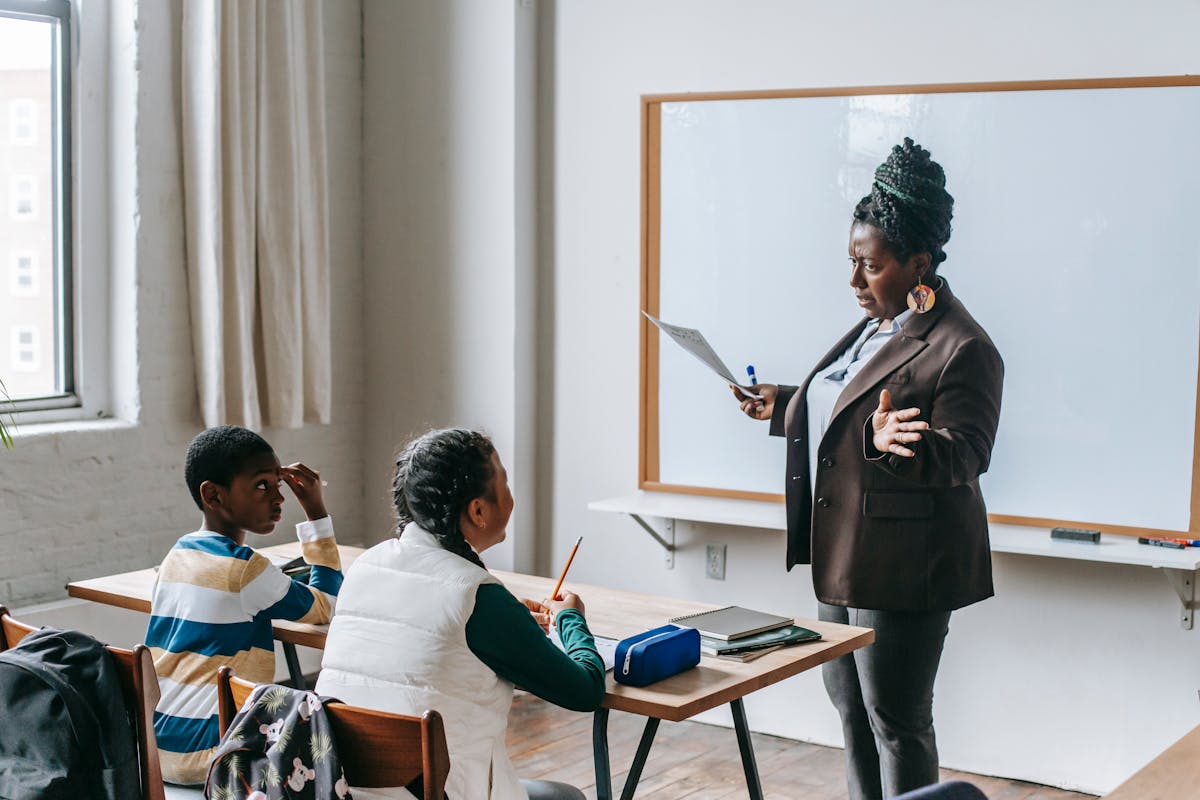
Arrange a meeting with your child’s teacher, form tutor, or SENCO (Special Educational Needs Co-ordinator) if relevant. Teachers can offer insights into what’s happening in the classroom and may already have suggestions in place. You can work together to create a support plan, which may involve extra help, a change in learning approach, or additional assessments if special educational needs are suspected.
4. Consider External Support
If the school’s resources aren’t enough or you feel your child needs a more tailored approach, you might consider external support. This could include a private tutor, educational psychologist, or therapist, depending on the nature of the issue. In the UK, you can also contact local education authorities to explore assessment options, including EHCPs (Education, Health and Care Plans) for children with more complex needs.
5. Focus on Your Child’s Strengths and Interests
When children are struggling academically, it’s vital to help them feel successful in other areas. Encourage hobbies, creative outlets, or sports they enjoy – not only to build confidence, but also to relieve school-related stress. Celebrate their efforts, not just their results, and remind them that their worth isn’t defined by grades alone.
6. Establish Routines and Reduce Pressure
A consistent home routine, including regular sleep, meals, and time for relaxation, can have a huge impact on your child’s wellbeing and focus. Try to avoid placing additional pressure on them to achieve – instead, focus on progress, however small. Reassure them that learning is a journey, and everyone moves at their own pace.
7. Take Care of Yourself, Too
Supporting a struggling child can be emotionally draining. Don’t hesitate to seek support for yourself, whether through friends, parenting groups, or professional counselling. When you’re calm and resilient, your child benefits, too.
If your child is struggling in school, know that it’s not a reflection of your parenting or their potential. With patience, the right support, and a team approach between home and school, most children can overcome obstacles and thrive both academically and emotionally.